
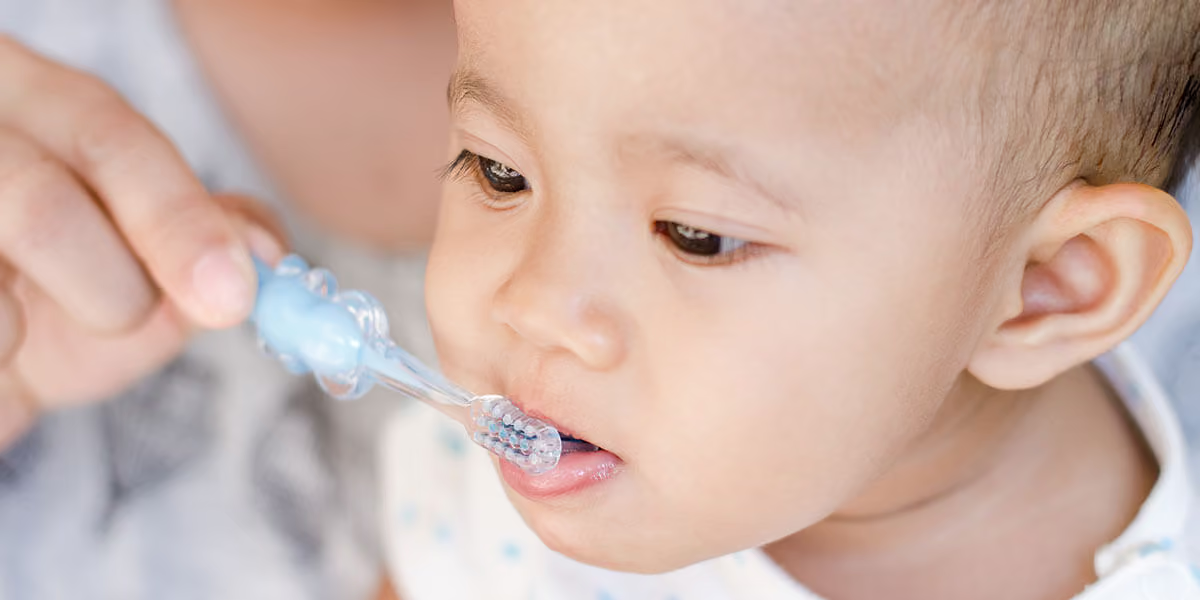
A Healthy Start for Your Child's Growing Smile

Your First Visit
Plan your child’s first dental visit between 6 months and 1 year of age. Talking about the visit ahead of time can help your child know what to expect.
You’re welcome to stay with your child throughout the visit. We’ll review their health history, check their head, neck, teeth, and gums, and explain each step to your child. We’ll take X-rays only if needed and discuss any findings or treatment needs with you. If no treatment is needed, we’ll clean your child’s teeth and apply fluoride.
We look forward to meeting you and your child!
Why Early Dental Care Matters
As new teeth come in, we’ll check how your child’s smile is developing and how their teeth fit together.
Early checkups can spot cavities or other concerns, giving us time to discuss care before problems worsen.
From brushing little teeth to making feeding choices, we'll share practical tips you can use at home.
Each visit gives your child a chance to get to know our team and feel more at ease with dental care and exams.

Your Child's First Dental Visit, Step by Step
Your child's first dental visit should happen when their first tooth appears or by their first birthday, whichever comes first. Here's what to expect.
What Patients are Saying About Us
Common Questions About Early Dental Care
Start brushing as soon as your baby's first tooth appears. Use a soft toothbrush and a rice-sized smear of fluoride toothpaste twice a day. Before teeth come in, you can gently wipe their gums with a damp cloth.
Avoid putting your baby to bed with a bottle containing milk or juice, and limit sugary snacks and drinks as they grow. Regular dental visits can also help identify early concerns and keep your child's teeth healthy.
Yes, every baby develops at their own pace. Some get their first teeth later than others. If you're concerned about your child's teething or dental development, we can take a look and discuss whether anything needs attention.
Try gently massaging their gums or offering a chilled, firm teething ring. Avoid teething gels containing benzocaine and teething necklaces. If your baby has a fever or seems unwell, contact their pediatrician.
These habits are common in young children. However, frequent or prolonged sucking can affect how teeth line up and jaws develop. We'll keep an eye on any changes and let you know if adjustments may help.
White spots or color changes can have several causes, including changes in enamel or early decay. Not every spot is a cavity, but it's worth having your child's teeth checked to understand what's causing it.
Yes, fluoride varnish is considered safe for young children when applied appropriately. It helps strengthen enamel and protect against cavities. We'll recommend it based on your child's dental health and cavity risk.
That's common, especially during early visits. We understand that young children may need time to adjust to unfamiliar surroundings. Our team takes a gentle, flexible approach and may adapt the examination to your child's comfort and needs.
Many children benefit from checkups about every six months, but the right schedule depends on their oral health and cavity risk. We'll recommend how often your child should visit based on their individual needs.