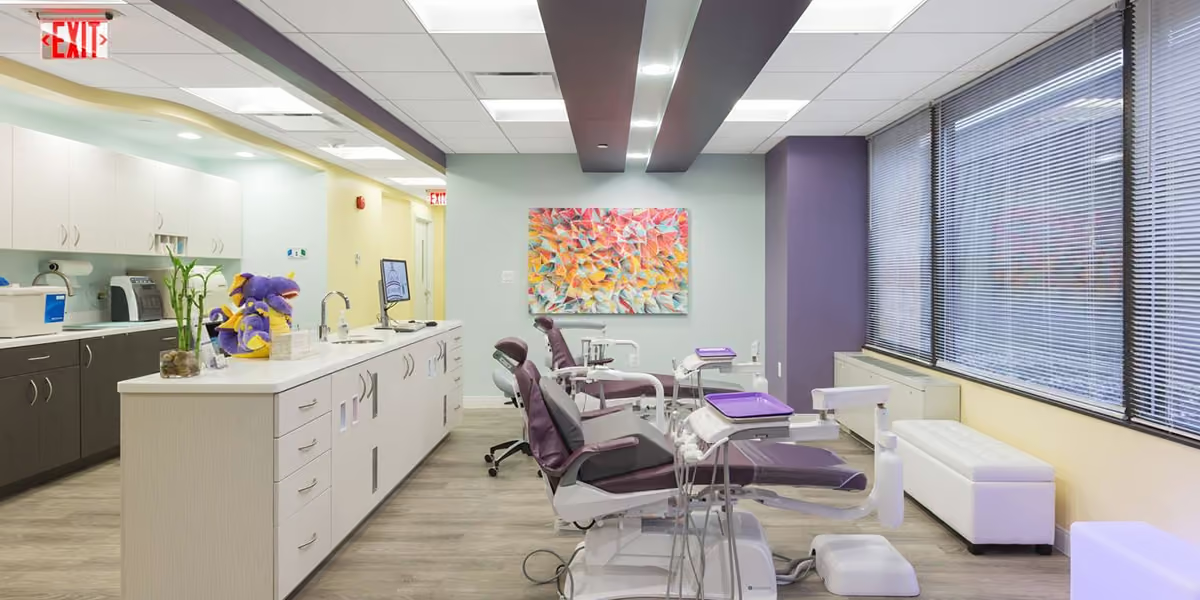

Early Orthodontic Care for Your Child's Growing Smile
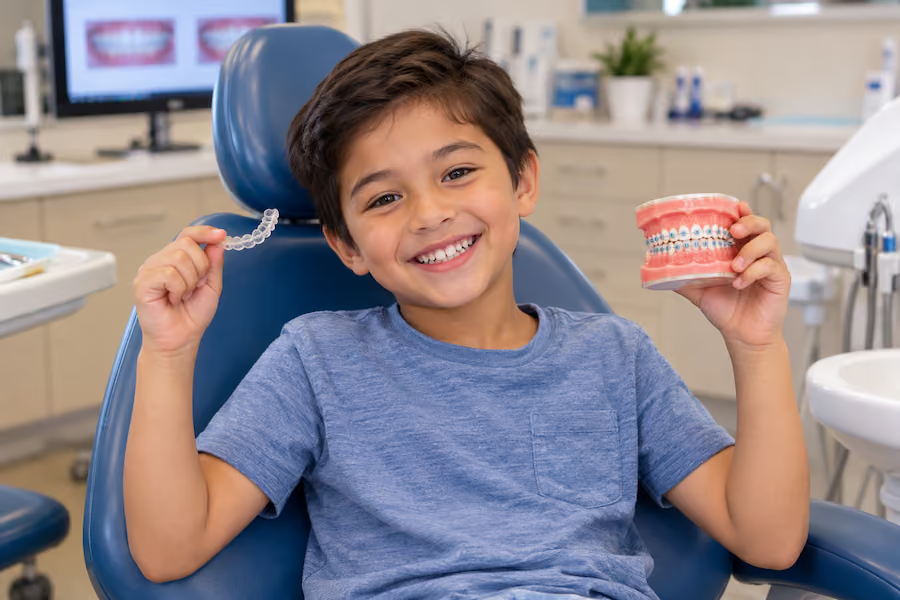
Helping Your Child's Smile Develop with Early Orthodontic Care
As your child's teeth and jaws grow, it's natural to wonder whether everything is developing as it should.
At Capital Kids Dentistry, we look beyond how your child's teeth appear today to understand how their smile is developing.
During regular visits, we check for changes in their teeth and bite, explain any concerns, and help you understand whether it's best to monitor their growth or consider early orthodontic care.

When Might Your Child Need Early Orthodontic Care?
As your child’s teeth come in, here are a few things worth bringing up at their next dental visit.
Ongoing Thumb- or Finger-Sucking
If the habit continues as your child grows, we can check whether it’s affecting their teeth or bite.
Early Loss of a Baby Tooth
If a baby tooth comes out too soon, we can check whether there’s enough room for the adult tooth.
Crowding or Bite Concerns
If your child’s teeth look crowded or don’t meet evenly, we can take a closer look at how their bite is developing.
Even if you haven’t noticed any of these signs, the American Association of Orthodontists recommends a first orthodontic checkup by age 7.
How Early Orthodontic Care May Benefit Your Child
Early treatment can help the upper and lower teeth fit together better as your child grows.
If a baby tooth is lost early, a space maintainer can hold the gap open for the adult tooth.
We’ll explain what to expect during treatment and how you can help your child at home.

What to Expect During Your Child's Early Orthodontic Evaluation

Why Families Choose Capital Kids Dentistry
At Capital Kids Dentistry, we want you to feel informed, involved, and confident in the care your child receives.
What Patients are Saying About Us
Frequently Asked Questions
Yes. The American Association of Orthodontists recommends an evaluation by age 7. Even straight-looking teeth can hide bite or jaw development concerns that aren't obvious at home.
That's okay. Some children benefit from having their dental development monitored as permanent teeth come in. We'll keep an eye on changes and discuss when another evaluation may be helpful.
No. The decision depends on which tooth was lost, the remaining space, and when the permanent tooth is expected. We'll assess these factors before recommending an appliance.
Certain appliances can help discourage persistent thumb or finger sucking, especially when it's affecting dental development. However, other approaches may be more suitable depending on your child's age and habits.
Most everyday activities can continue as usual. Some appliances require avoiding certain foods or taking precautions during sports. You'll receive specific instructions based on your child's appliance.
Contact our office rather than trying to fix it yourself. Our team can advise whether your child needs an appointment. If the appliance causes pain or irritation, let us know.
Possibly. Early care can address certain developing problems, but some children still need braces once more permanent teeth emerge. It depends on how their teeth and bite develop.
Mild pressure or tenderness is possible when an appliance is first placed. This usually improves as your child adjusts. Persistent discomfort or irritation should be checked by our team.
During follow-up visits, we'll look for improvements related to your child's treatment goals and explain their progress. Any necessary adjustments or changes to the plan will be discussed with you.
The orthodontist will examine your child's teeth and bite and may recommend X-rays or other records. They'll explain their findings and discuss the available options before treatment begins.